Once I Fix My Home, Will It Be Forever Fixed?
(Spoiler: Not Quite)
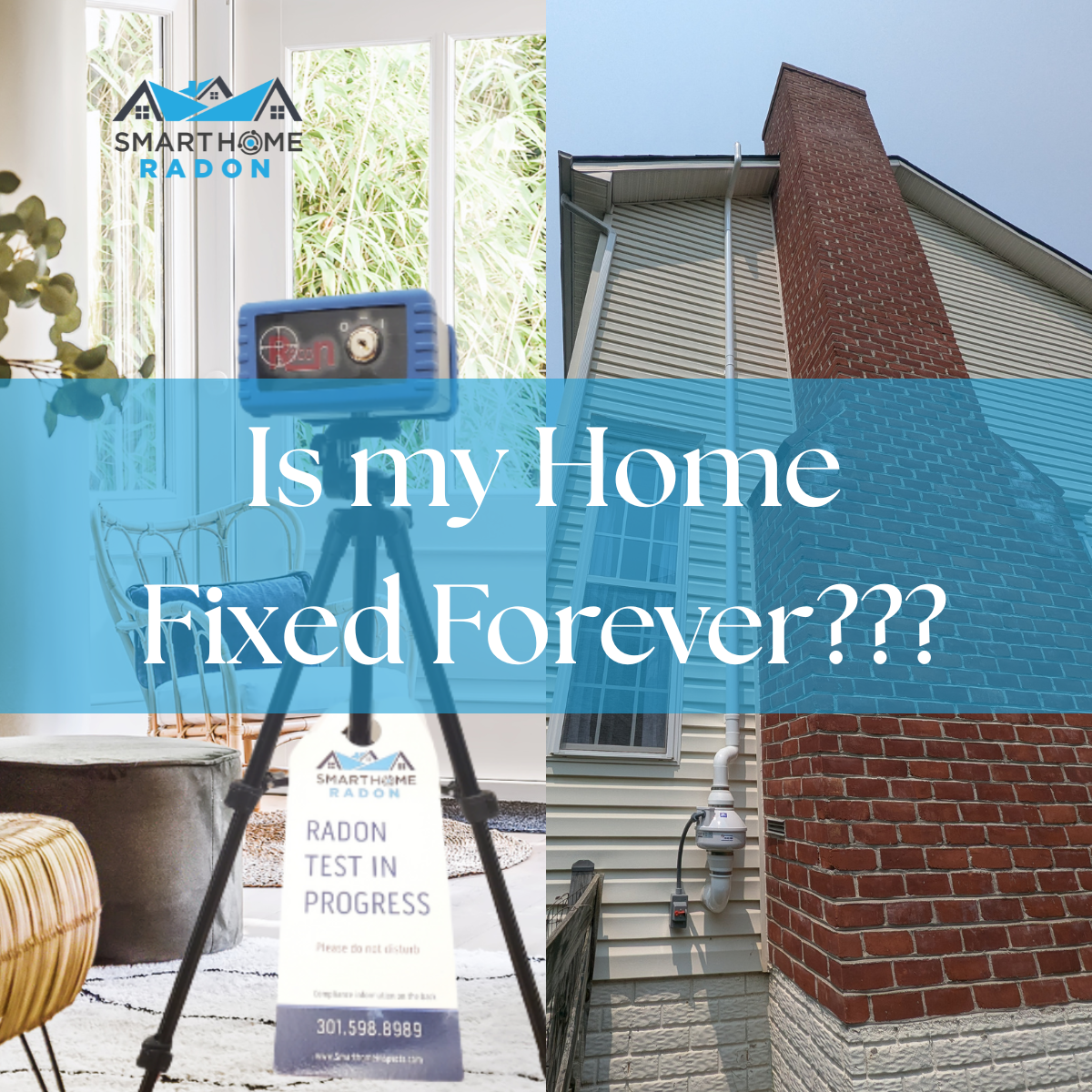
Finding out your home has high radon levels can feel unsettling — but the good news is that radon issues are treatable. Just like a medical condition that responds well to the right therapy, your home can be brought back to a safe, healthy balance through professional mitigation.
But here's the catch: even after it's "fixed," your home needs ongoing care.
Think of Radon Like a Chronic but Treatable Condition
When a person is diagnosed with diabetes, it doesn't mean they're doomed — it means they need the right treatment, consistent monitoring, and follow-ups with their healthcare provider.
Your home works the same way.
Installing a radon mitigation system is like receiving a prescription. It's a solution that works — but only if you keep monitoring and make sure nothing else changes the balance.
Just as diabetics use blood-sugar monitors to track progress, homeowners can (and should!) use radon monitors to stay aware of daily conditions. But no matter how good the home monitor is, it's not a replacement for professional follow-ups.
Why Re-Testing Is Like a Doctor's Check-Up
Imagine if someone adjusted their medication without talking to their doctor. Risky, right? The same logic applies to your radon system.
Every home is a living, breathing system. When you:
- Replace or upgrade your HVAC,
- Install new windows or insulation, or
- Make changes to ventilation or appliances,
—you've effectively changed the "metabolism" of your home. Those adjustments can alter pressure zones, airflow, and even how radon moves through the structure.
That's why retesting is critical any time a major renovation or mechanical change happens — and at least every two years, even if nothing has changed.
Home Radon Monitors Are Helpful — But Not the Whole Story
Personal household radon monitors are wonderful tools for everyday awareness, just like glucose meters are for tracking sugar levels. They help you catch trends early and keep tabs on the system's performance.
However, a monitor can't replace a professional inspection. Certified radon professionals use calibrated instruments, perform diagnostics, and evaluate whether your mitigation system is still performing within safe parameters.
Just like a doctor interprets test results and adjusts treatment, your radon professional confirms that your system is still doing its job — and catches small issues before they become big ones.
The Takeaway: Treat Your Home Like a Living System
Radon mitigation is not a one-and-done cure. It's a long-term management plan for your home's health.
- ✅Install a professionally designed mitigation system.
- 🔄Retest every two years — or sooner after renovations.
- 📉Use home radon monitors for continuous awareness.
- 🧰Schedule regular maintenance or compliance inspections to confirm system performance.
At Smart Home Radon, we believe peace of mind comes from more than just installing a system — it comes from knowing it continues to protect you. Our certified specialists follow ANSI/AARST standards for measurement and compliance inspections, helping Maryland homeowners manage radon safely, effectively, and confidently.
Because when it comes to your health — and your home's health — ongoing care is the key to long-term wellness.
About the Author – Daisy Rezende
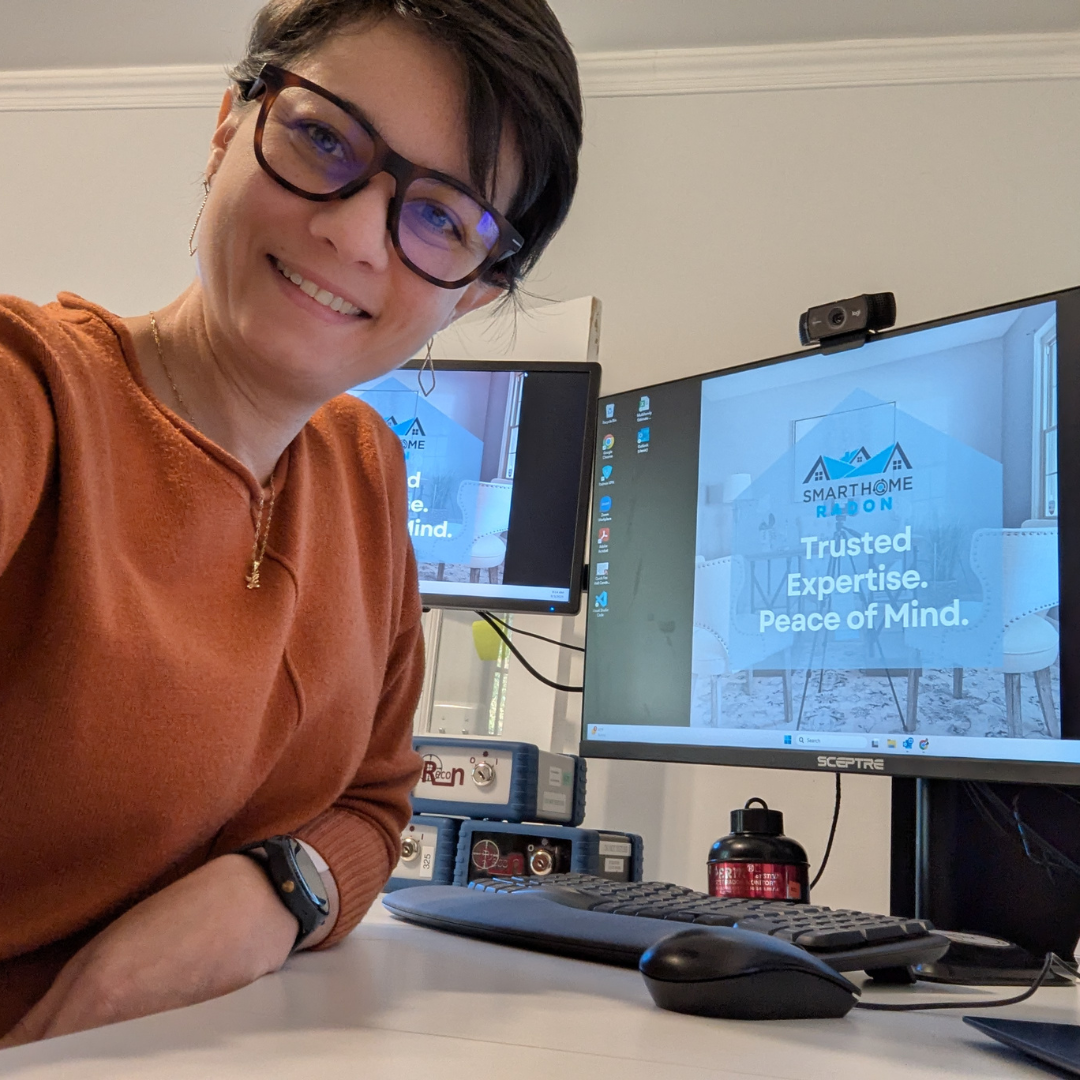
Daisy Rezende is a nationally certified radon measurement provider, lead paint inspector, and mold investigator. As co-owner of Smart Home Radon and Smart Home Inspects, she brings certified expertise and a passion for healthy housing to every inspection. Daisy actively contributes to national industry standards through her work with the Indoor Environments Association (IEA) and as a voting member of the Radon Mitigation Standards Consortium. Her mission: to improve air quality, educate the public, and support healthier homes across Maryland and beyond.
Read Full Bio